


History of the Institute of Economic Sciences
The Institute of Economic Sciences (IES) was founded in 1958 at the Federal Institute for Economic Planning, within the Department for Economic Research and Planning Methodology. In 1963, the Department grew into the "Yugoslav Institute for Economic Research", and since 1969, it has worked under the present name – The Institute of Economic Sciences. During sixty five years of existence, it has developed in accordance with the principles of excellence and the slogan "cognoscere est mutare".
The field of IES activity was vast and included the preparation of macroeconomic studies, projections and forecasts, as well as the analysis of international economic relations, the state of the world economy and global trade, the development of studies and strategies of economic, regional and sustainable development; sectoral economic policies; and a large number of projects for the needs of business entities in almost all economic areas. In addition, one of the significant IES activities was related to providing high quality services in the domain of consulting, innovating knowledge, and realizing of continuous training and education in the areas of modern business economics, management, marketing, entrepreneurship, finance, banking and other fields.
In its long and rich history, IES has devoted special attention to encouraging and improving scientific research through the exchange of information and ideas among scientific, business, non-governmental, and government experts, both at the national, regional, European, and global levels.
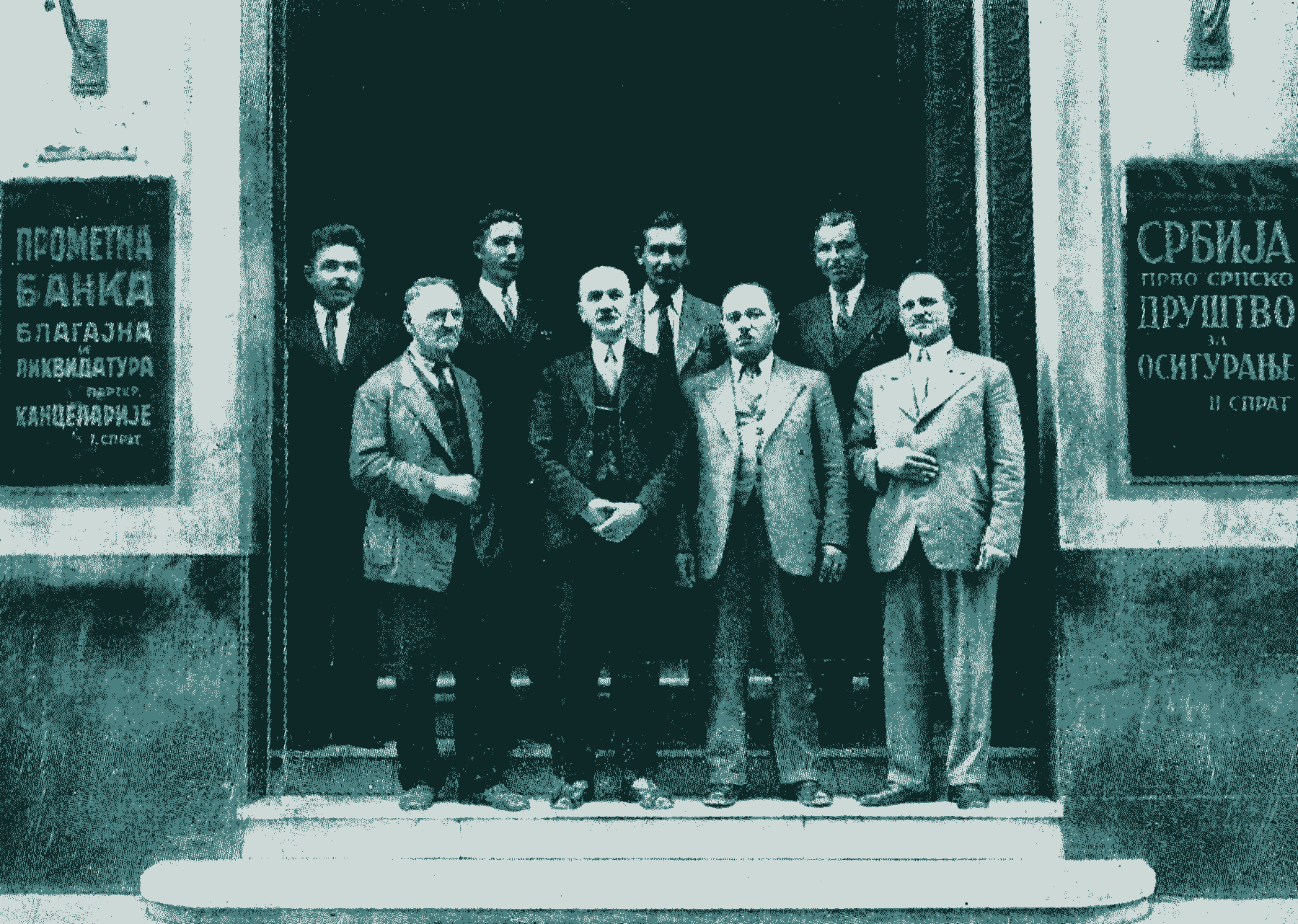
Chronologically, the key events in the history of the IEN include:
1958
- Department for Economic Research and Methodology Planning within the Federal Institute for Economic Planning was founded.
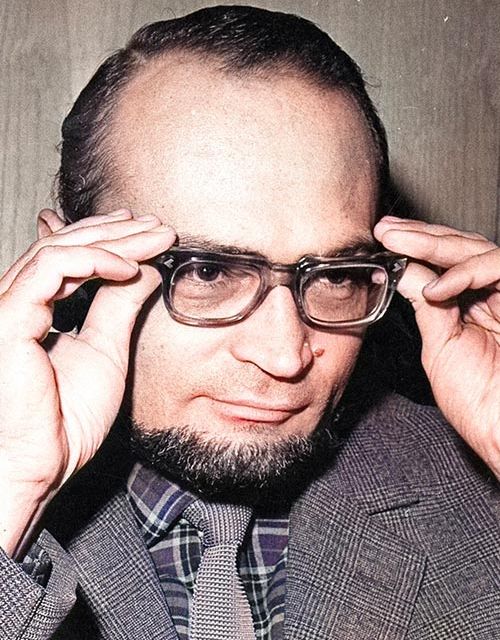
- The first Director was Professor Branko Horvat, PhD, who was a Nobel Prize candidate for Economics for the "Political Economy of Socialism".
1963
- By the decree of the Federal Executive Council, the “Department for Economic Research and Planning Methodology” became “The Yugoslav Institute for Economic Research” (the Institute)
- In 1963/64, the School for post-graduate studies started, where 143 students got their MA degrees by 1985/86. The first Dean of this school was Professor Branislav Ivanović, PhD. The first student who got his MA degree was Miroslav Bratina (July, 09, 1965)
- The Computer centre was established.
1965
- The Institute moved to Zmaj Jovina 12 Street, Belgrade, and has been at this address since then. The building, a cultural monument, had been the home of the "Commercial Bank", built between 1912 and 1914 in the Secession style, and it was the work of architect Danilo Vladisavljevic.
- The Institute purchased its first computer, the Elliot 803, with the purchase price of $110,000 at that time.
- The building at Zmaj Jovina 12 has been declared a cultural monument by the Institute for the Protection of Cultural Monuments of the City of Belgrade (PDF).
1967
- In 1965, the international journal Economic Analysis was launched and published quarterly in Serbian and English until 1992.
1969
- “Yugoslav Institute for Economic Research” was renamed into its present name - the Institute of Economic Sciences (IES).
1977
- The Federal Republic of Serbia takes over the rights and obligations of the IES founder.
1985
- The World Bank Depository and Regional Library Program - Memorandum of Agreement was signed between the Institute and the World Bank. The IES library became a depository library of the World Bank.
1988
- The “Post-graduate school” closed, and an overview of all candidates can be followed in the "Books of candidates who have mastered the IES Postgraduate School".
1992
- The Institute took over the entire UN library collection from the former UN Information Centre in Belgrade and gained the status of a UN Depository Library.
- At the 37th International Book Fair, the Institute was proclaimed the most successful publisher in Yugoslavia.
1994
- The first issue of the bulletin Monthly Analyses and Prognosis – MAP was published until 2005.
2005
- In cooperation with “Atlas bank” and insurance company “Kopaonik”, IES founded the Belgrade Banking Academy (BBA) - the Faculty for Banking, Insurance and Finance within UNION University. As a result, educational activities resumed after a 17-year hiatus.
2007
- After fifteen years, the publication of "Economic Analysis" has been renewed, and the journal is published twice a year in English.
2009
- The first issue of the Journal of Women's Entrepreneurship and Education – JWEE was published. The magazine is published twice a year in English
2010
- After twelve years of the “Summer School of Economics” being in existence, IES became the main organizer.
2011
- The IES became the local office of RRPP (Regional Research Promotion Programme in Western Balkans), which was fully funded by the Swiss Agency for Development and Cooperation (SDC), the Federal Department for Foreign Policy.
2012
- The Institute became a partner in the implementation of the FP7 project “Support to Establishment of National / Regional Social Sciences Data Archives (SERSCIDA)”.
2014
- The "Data Center for Social Sciences of the Republic of Serbia" (SER.DAC), which today bears the name "Data Center Serbia for Social Sciences" - DCS, was founded. The Center is a service provider on behalf of the Republic of Serbia and enables membership in the European Research Area through participation in the work of CESSDA ERIC.
2015
- In cooperation with members of the SEEA international association, the SEE-6 Economic Outlook - a semiannual publication in English was launched. SEEA is an international organization that aims to promote economic research in Southeast Europe; fosters networking and regional cooperation among member institutions; develops joint research programs; and organize joint scientific conferences, round tables and meetings at the national level.
- The IRIES Institutional Repository has started to function.
2016
- The first volume of the publication „Nacionalna mreža srednjih preduzeća u Republici Srbiji“ (National Network of Medium Enterprises in the Republic of Serbia) was published. The publication has been published once a year in Serbian.
2017
- IES has introduced the practice of implementing internal projects. These projects aim to encourage IES researchers, through the design and execution of project ideas, to improve the quality of scientific research and to increase and further enhance professional recognition, thereby better positioning IES within the domestic and international professional community.
2018
- IES celebrated its 60th year of existence and its successful work in 2018.
2020
- The journal JWEE was accepted for referencing in the SCOPUS database.
2021
- The Community of Institutes of Serbia adopted the Institute Development Program in the field of social sciences for the period 2022-2024, following the initiative of IES at the session.
2022
- IES initiated the implementation of an institutional transformation program carried out under the project “Acceleration of Innovation and Growth of Entrepreneurship in Serbia” (SAIGE). The project was financed by the World Bank, the European Commission (via the IPA programme), and the ministry responsible for science.
Anniversaries
-
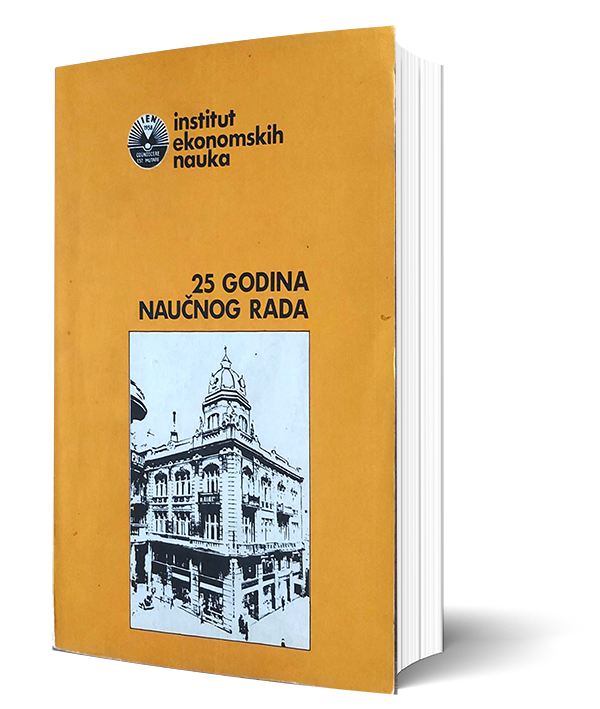
25 years
1958-1983 -

40 years
1958-1988 -

50 years
1958-2008 -
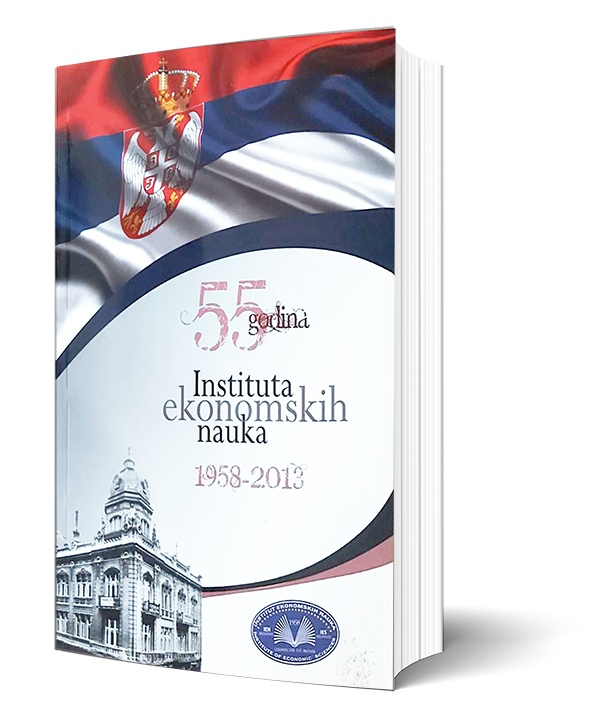
55 years
1958-2013 -
60 years
1958-2018
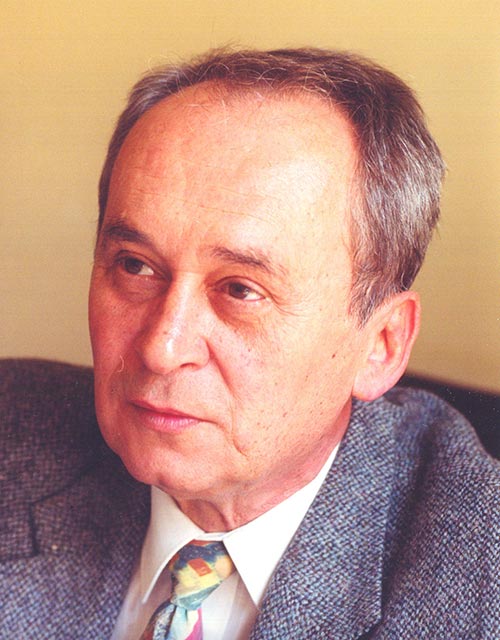
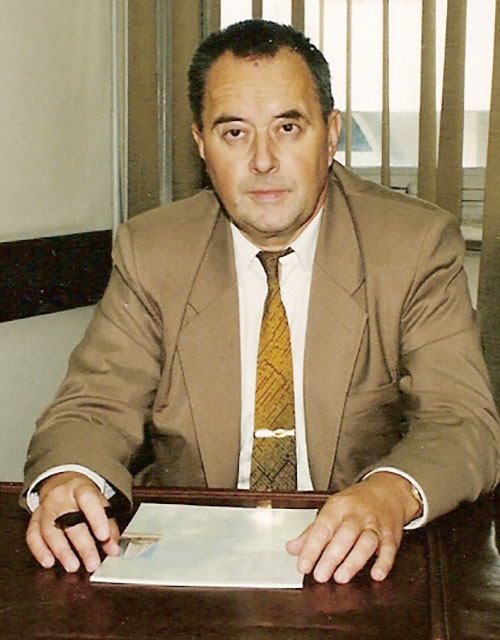
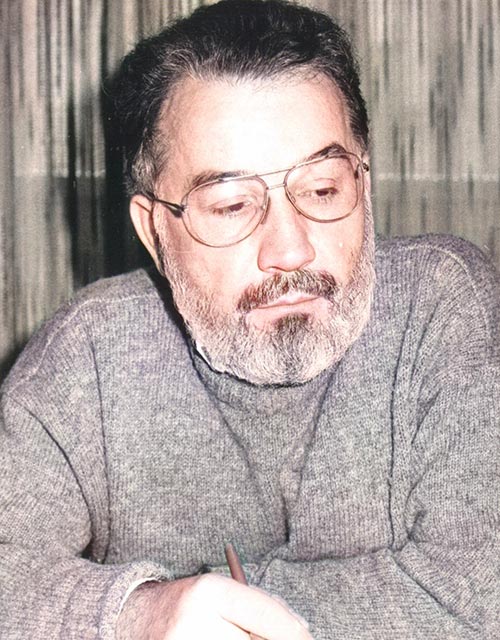
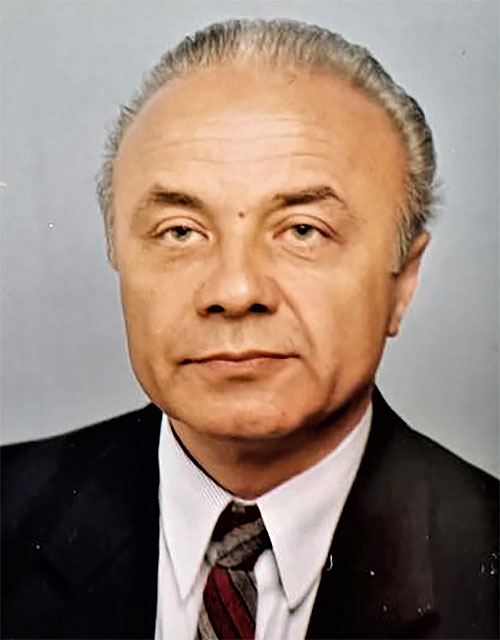
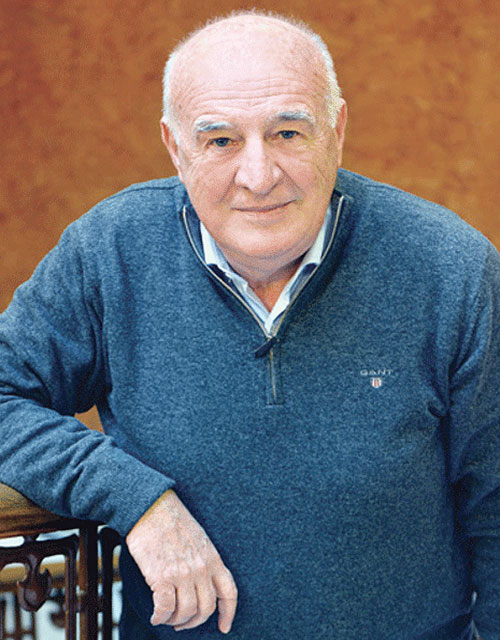
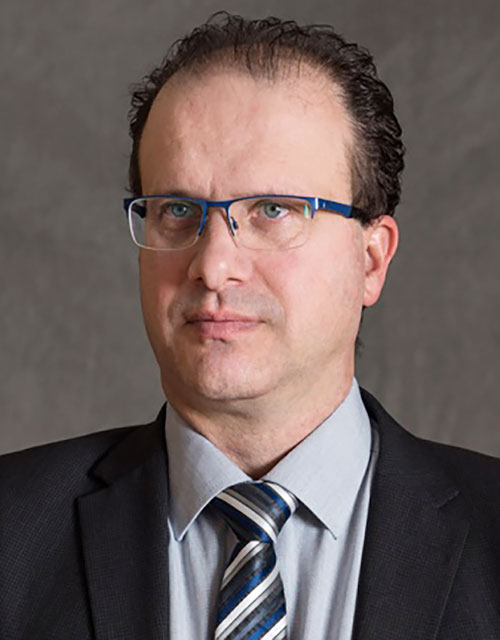
IES Directors






- Zmaj Jovina 12, 11000 Belgrade, Serbia
- Phone: + 381 11 2623 055, + 381 11 2622 357
- Fax: + 381 11 2181 471
- Email: office@ien.bg.ac.rs
- Activity Code: 7220
- PIB: 100039204
- Identification number: 07041144


